

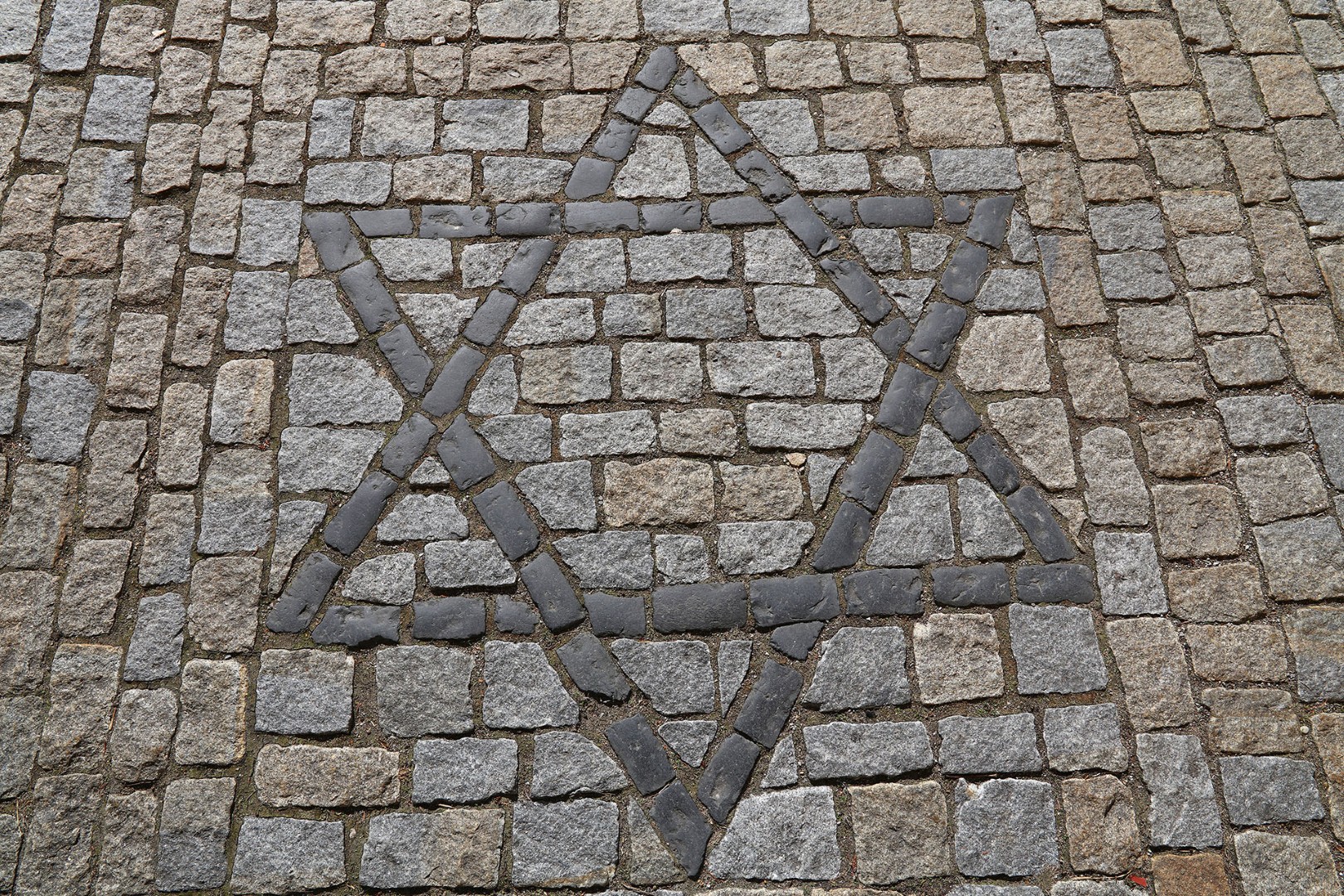
Prague’s Jewish history is one of Europe’s most remarkable stories of survival, culture, and identity, stretching back over a thousand years. The Jewish community in Prague has long been central to the city’s intellectual, economic, and artistic life, even in the face of repeated persecution and marginalization. Today, the legacy of this community is preserved in Josefov, the city’s historic Jewish Quarter, which offers an extraordinary window into centuries of life, tradition, and resilience.
The Jewish presence in Prague dates back to at least the 10th century, though it became more established in the 13th century as Jews settled near the Old Town. Over the centuries, the Jewish population contributed significantly to Prague’s economy, particularly in trade, finance, medicine, and scholarship. Yet, like other European Jewish communities, they were subjected to discriminatory laws, forced residence in ghettos, and periodic violence. Despite these hardships, Prague’s Jews created a vibrant community that became a center for Jewish learning, philosophy, and religious practice.
The Old Jewish Cemetery, one of Prague’s most haunting landmarks, is a poignant reminder of the community’s endurance. Established in the 15th century, it became the final resting place for tens of thousands of Prague Jews, though limited space led to graves being layered upon one another. Some stones date back to the early 1400s, leaning at precarious angles, bearing inscriptions in Hebrew that tell stories of scholars, rabbis, merchants, and ordinary families. The cemetery reflects not only the history of the people but also the pressures of living in a restricted and often precarious society. Among its most famous tombs is that of Rabbi Judah Loew ben Bezalel, the 16th-century mystic and scholar who is credited with creating the legendary Golem, a clay figure brought to life to protect Prague’s Jews from persecution. The Golem legend endures, adding an air of mystery and folklore that has fascinated visitors for centuries.
Josefov is also home to several historic synagogues, each offering a unique glimpse into Prague’s Jewish life. The Old-New Synagogue, dating from the 13th century, is Europe’s oldest active synagogue and remains a center of worship and learning. Its Gothic architecture and enduring presence symbolize the perseverance of the community. The Spanish Synagogue, with its intricate Moorish-inspired interior, reflects the cultural flowering of the 19th century, while the Pinkas Synagogue, now a memorial to victims of the Holocaust, bears the names of over 77,000 Czech Jews who perished during World War II, a stark testament to the community’s losses.
Prague’s Jewish history is also one of remarkable intellectual and cultural contribution. Scholars, rabbis, and writers from this community have influenced philosophy, literature, and the arts far beyond the city’s borders. Jewish printers in Prague were among the first to produce Hebrew texts in Central Europe, and the city became an important center for Jewish education. Even in times of oppression, Jewish culture in Prague flourished, blending traditional religious life with engagement in the wider civic and cultural landscape.
Yet, the history of Prague’s Jews is not only one of cultural achievement but also of resilience in the face of immense hardship. Throughout the centuries, the community endured pogroms, restrictions on residence, and forced labor. The Holocaust brought the most devastating blow, with thousands of Prague’s Jews deported to concentration camps. Yet, the survival of the synagogues, cemeteries, and museums ensures that their stories and contributions are not forgotten. Today, visitors can walk through Josefov and feel both the weight of tragedy and the triumph of survival.
Prague’s Jewish Quarter is more than a collection of historic buildings; it is a living narrative of human endurance, cultural brilliance, and spiritual depth. Every street, every gravestone, every synagogue tells a story of lives shaped by faith, creativity, fear, and hope. Legends like the Golem add layers of mysticism, making the history feel both real and otherworldly, while the physical spaces offer tangible connections to centuries of Jewish life. For anyone interested in history, culture, or human resilience, Prague’s Jewish heritage offers a journey into a world that is both profoundly moving and endlessly fascinating.
Visiting Josefov is like stepping into a chronicle of human experience: a story of community building in adversity, of knowledge and faith passed through generations, and of legends that continue to captivate imaginations. It is a history that invites exploration, reflection, and deep appreciation, leaving visitors eager to uncover even more about the lives, traditions, and mysteries of Prague’s Jewish past.
Picture: Envato